October 12, 2026
Building a new pool is one of the most exciting home investments a Southeast Tennessee homeowner can make, and one of the first questions that comes up once the decision is made is how long the entire process is actually going to take from start to finish. The timeline from initial conversation to the first swim involves more moving parts than most homeowners expect, including design consultations, permitting, excavation, construction, and finishing work that all follow a logical sequence that cannot be rushed without compromising quality. Understanding what drives the pool construction timeline — and what to expect at each stage — gives homeowners the clearest possible picture of what they are signing up for before a single shovel breaks ground on their property. Going in with realistic expectations is the best preparation for a project that will ultimately transform the backyard into something the whole family enjoys for decades.
Starting With the Design Consultation and Planning Phase
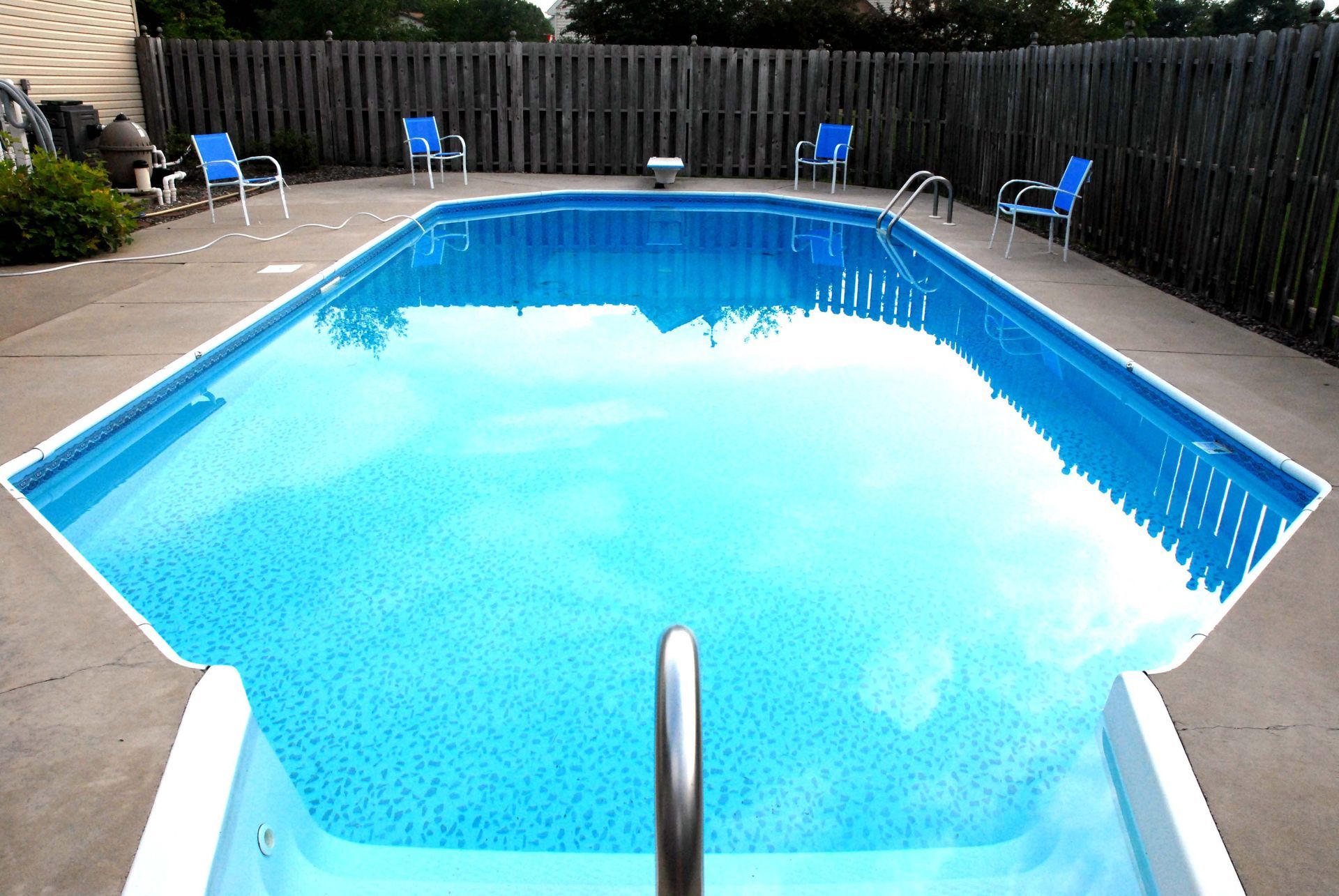
Every pool construction project begins with a design consultation that establishes the homeowner's vision, the property's physical constraints, and the specific features that will shape the final plan before any construction commitments are made. This planning phase is where pool type decisions — fiberglass, gunite, or vinyl — are made alongside choices about size, shape, LED lighting, water features, fire features, and pool automation systems that will define the character and functionality of the finished pool. A thorough design consultation typically takes one to several meetings to finalize, and working with an experienced builder who brings industry-leading design expertise and a clear communication process to this phase ensures that the construction drawings accurately reflect what the homeowner has in mind.
Knowing What the Overall Construction Timeline Looks Like
According to Bob Vila, an online home improvement resource, pools typically take eight to 12 weeks to build, which gives Chattanooga area homeowners a reliable general range to use as a baseline when planning the project around their family's schedule and seasonal goals. Pool construction timelines within that range are influenced by the pool type selected, with gunite pools generally requiring more time than fiberglass installations because the shotcrete application, curing, and finishing stages each add sequential steps that must be completed before the next phase can begin. Weather is another significant factor in Tennessee, where fall rain events and unexpected temperature shifts can delay excavation, concrete work, and plaster finishing at various points throughout the construction sequence. Homeowners who begin the process in the fall or winter are often able to time their completion for late spring, positioning the project to be swim-ready just as the weather in the Chattanooga area turns warm enough to enjoy the finished result.
Following What Happens During the Excavation and Shell Phase
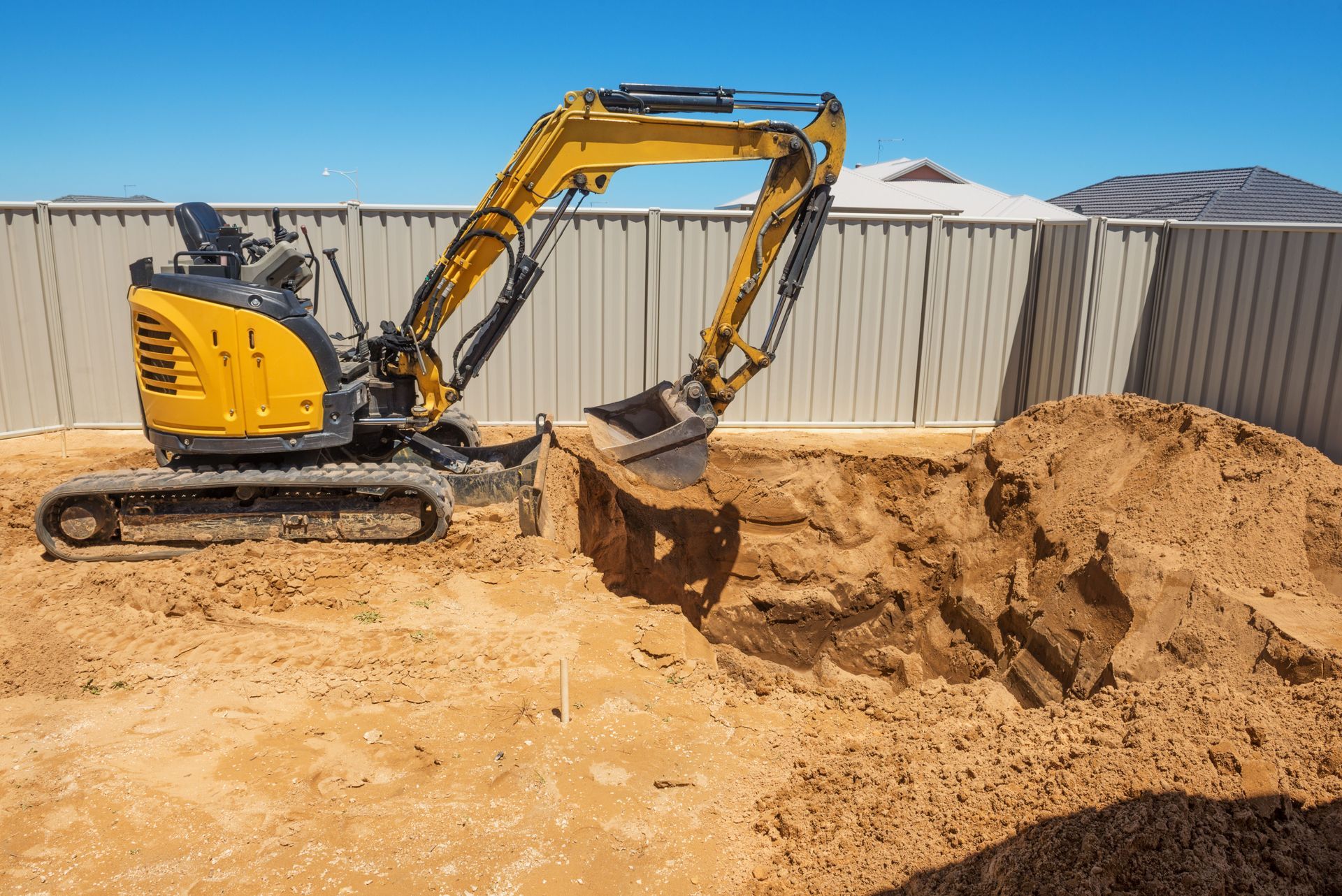
Once permits are approved and construction begins, the first visible milestone is excavation — the removal of soil from the pool footprint that must be precisely executed to match the approved design dimensions before any structural work can proceed on the project. Construction during the excavation phase also involves grading the surrounding area and managing the displaced soil in a way that sets up the later landscaping and decking work for a clean and level finished result. For fiberglass pools, the shell arrives as a pre-manufactured unit that is lowered into the excavated hole and set in place, which makes this phase relatively fast compared to gunite, where the steel rebar framework must be fabricated on-site before the shotcrete is applied to form the pool structure.
Moving Through the Plumbing and Electrical Rough-In Stage
After the shell is set or the gunite has been applied and cured, the pool construction process moves into the plumbing and electrical rough-in phase, where the circulation system, filtration lines, return jets, drains, and electrical conduits are installed and routed to the equipment pad that will house the pump, filter, and pool automation controls. This phase requires licensed and experienced technicians to ensure that every system is installed to code and positioned correctly relative to the pool shell and the planned deck layout before any of the surrounding concrete or decking work begins to cover the underground infrastructure. Pool automation systems, which allow homeowners to control lighting, heating, and water features remotely, are wired during this phase, making it the point in the project where all of the technology that will define the pool's convenience and efficiency is integrated into the structure.
Completing the Decking, Coping, and Finishing Work
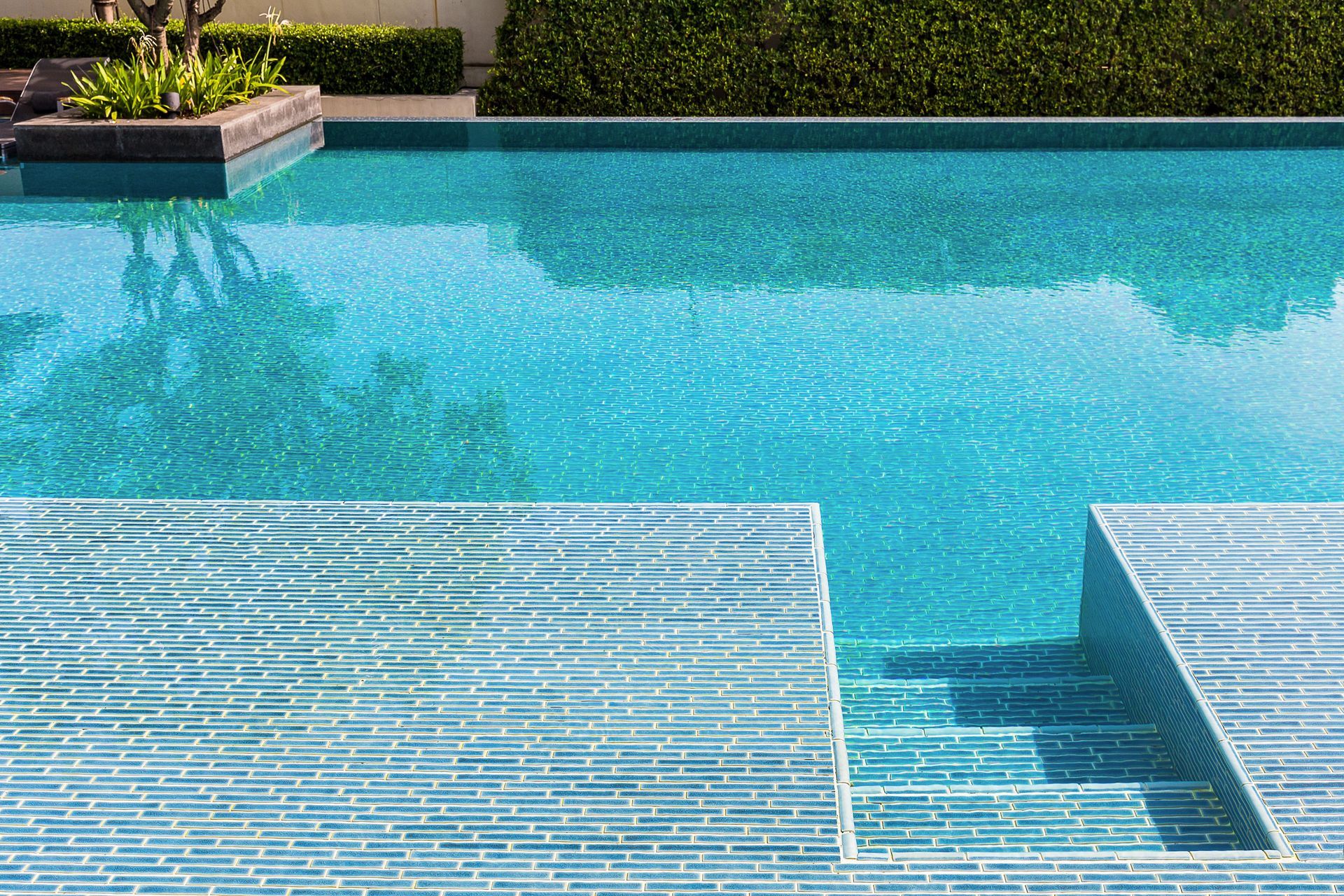
The decking, coping, and interior finish phase is where the pool construction project transitions from a construction site to something that genuinely begins to look like the finished backyard retreat the homeowner envisioned during the design consultation, with the surrounding hardscape and pool interior coming together simultaneously. Coping — the material that caps the edge of the pool shell and transitions it to the surrounding deck — is installed before the deck is poured, and both must be completed before the interior plaster or finish surface is applied to the pool shell. This phase is also where accessory features like covers and any additional decking elements are finalized, and where the LED lighting installations and water feature plumbing connections are tested and confirmed to be functioning correctly before the pool is filled for the first time. The quality of the work during this finishing phase is what the homeowner will see and interact with every day, which makes the craftsmanship and attention to detail applied here among the most lasting impressions of the entire project.
Adding Water Features and Fire Features to the Project
Homeowners who choose to include water features such as waterfalls, deck jets, or bubblers, or fire features that create a dramatic ambiance along the pool perimeter, add scope to the pool project that must be planned from the beginning and built into the overall timeline rather than added as afterthoughts at the end of the main construction sequence. These features require their own plumbing runs, electrical connections, and in some cases structural supports that must be integrated into the shell and deck phases at the appropriate points in the sequence, which is why early planning and a thorough design consultation are so important for homeowners who know they want a fully featured outdoor environment. Construction projects that include multiple custom features may extend toward the longer end of the eight to twelve week range or beyond, depending on the complexity of the feature design and the availability of the specialized materials required to execute them.
Planning the Final Inspection and Pool Startup Process
The final stage of every pool construction project involves inspection by the local authority having jurisdiction to confirm that the completed work meets all code requirements before the pool is filled and turned over to the homeowner for use, and working with a builder who manages this inspection process on the homeowner's behalf ensures the closeout is handled efficiently and without unnecessary delays. Pool startup involves filling the pool, balancing the water chemistry, running the circulation and filtration systems through their initial cycles, and confirming that all of the pool's mechanical systems — pumps, automation, lighting, and features — are operating as designed before the project is considered complete. A thorough startup process sets the pool up for a long and trouble-free service life by establishing the correct chemical balance from the first day, which protects the interior finish, the equipment, and the swimmers who will enjoy the pool throughout the season.
Pool construction is a multi-phase process that rewards homeowners who approach it with realistic expectations, a clear design vision, and a builder who communicates transparently throughout every stage from permit submission to final startup. Good Vibes Pool Company proudly serves the Chattanooga, Tennessee area and surrounding Southeast Tennessee communities as a family-owned, BBB-accredited, A-rated builder of fiberglass, gunite, and vinyl in-ground pools and commercial pools, offering free consultations, complete permit management, custom design, LED lighting, water features, fire features, pool automation, covers, and accessory features backed by 50-plus years of combined experience and a customer satisfaction guarantee. For more information, contact us today!